
July 17, 2026·2 min read
Onboard a Contractor in a Day, Not a Sprint
Contractors bill from day one but often cannot commit until week two, thanks to laptop setup and access sprawl. Ephemeral environments collapse that gap to an afternoon.

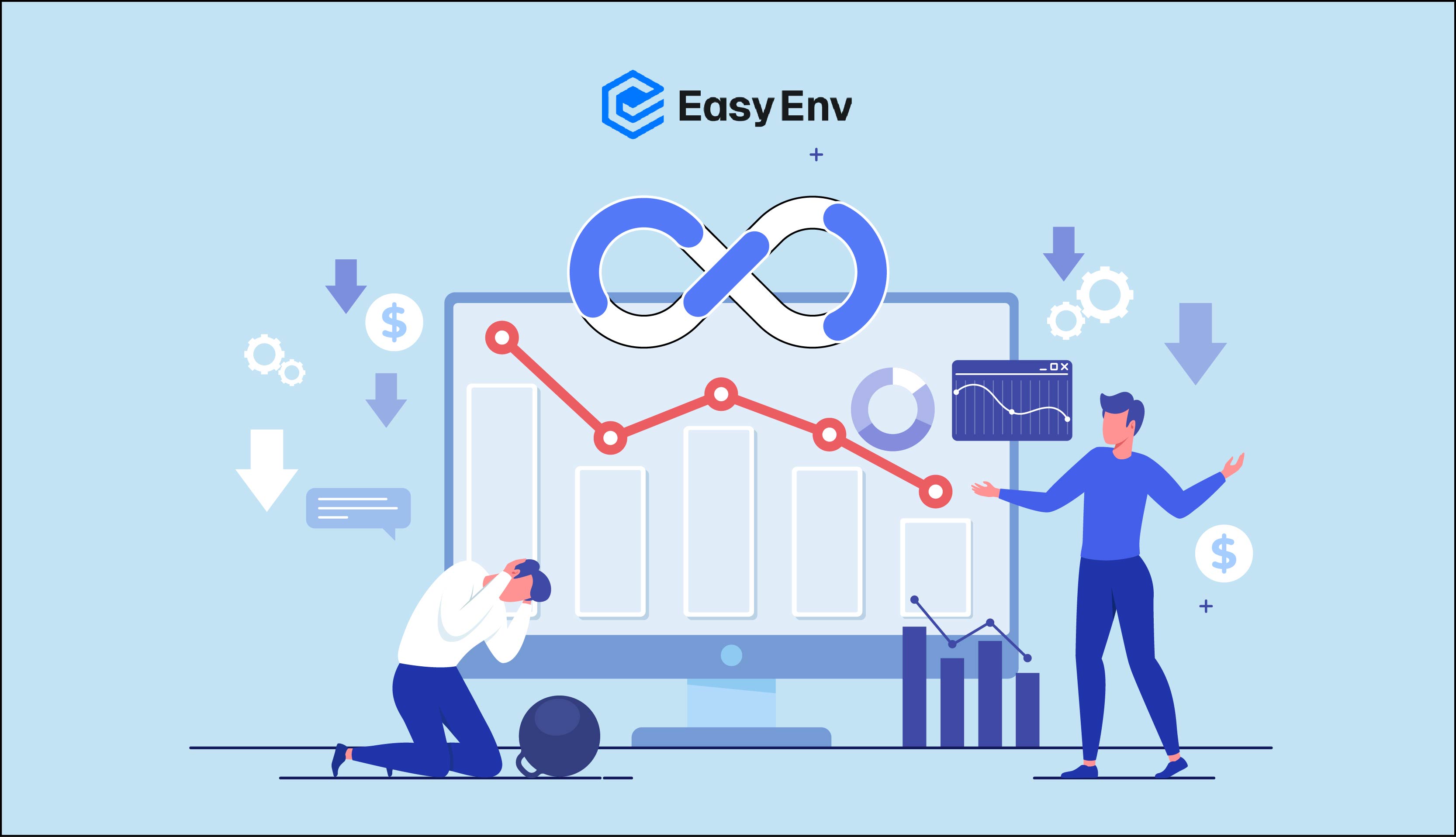
We all know finding a competent DevOps engineer is like finding a needle in a haystack. But rushing to fill this empty seat may have a much heavier price than leaving it empty. In the world of platforms and infrastructure, a wrong hire doesn't just cause financial loss, but can destroy the agility culture of the entire team.
Unlike a software developer whose errors usually stay within one module, a DevOps engineer has access to vital arteries (Pipeline, Cloud, and Security). A mistake here means the entire service goes down.
According to reports from sources like Glassdoor and Society for Human Resource Management (SHRM), the cost of replacing a specialist is usually 1.5 to 2 times their annual salary.
When an unqualified person takes over infrastructure management, the following disasters are likely:
DevOps is more than tools-it's a culture. A "Bad Hire" here can:
We at EasyEnv know the main challenge is testing and development environment complexity. When your tools are standard, evaluating people becomes simpler:
Hiring in DevOps is not a speed race, it's an accuracy race. Using automation tools and environment management platforms helps you shift focus from "maintaining infrastructure" to "accurately evaluating talents."
Have you ever faced the challenge of a wrong hire in your tech team? What was the cost for you?
Pre-configured Linux boxes, VS Code in the browser, and shared workspaces your team can join in one click. No more "works on my machine".
More posts you might like
Contractors bill from day one but often cannot commit until week two, thanks to laptop setup and access sprawl. Ephemeral environments collapse that gap to an afternoon.
New tool, new stack, new skill gap. The right answer is sometimes hire and sometimes train. Here is how to choose.
Read more
"Productive on day one" sounds great. Pick one metric you can actually measure, then design the workspace to hit it.
Read more
