
October 2, 2026·7 min read

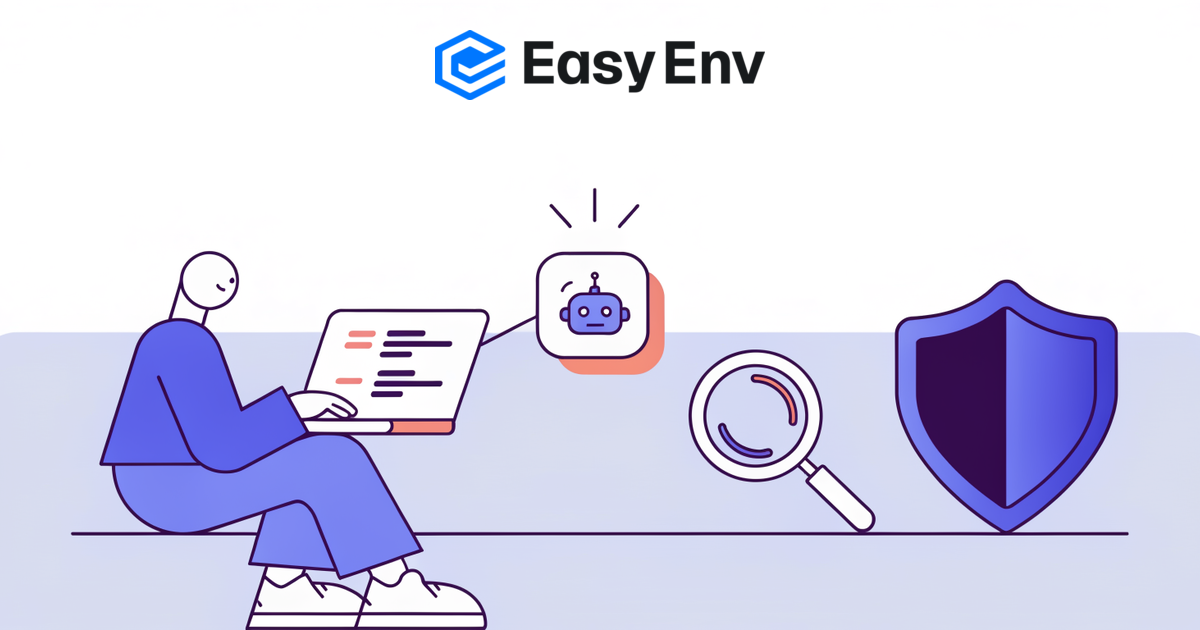
Short answer: no. ChatGPT does not watch your interview, does not know who your employer is, and has no channel to "report" you to anyone. It is a tool that answers a prompt and forgets. The question is popular because it points at a real anxiety on both sides of the hiring table, so let us answer the honest version of it.
This post is for the people running the interview. If you are worried candidates are using AI in your online code assessment, here is what the cheat detectors you are being sold actually do, why most of them fail, and what works instead.
Most cheat-detection products watch for proxy signals, not cheating itself:
None of these observe the thing you care about, which is whether the candidate understands what they submitted. They observe behavior that correlates loosely with copying, and they are wrong often. A senior engineer who types fast and pastes a boilerplate config trips the same flags as a cheater. A nervous candidate who glances away to think gets scored as evasive. False positives in proctoring are well documented, and they tend to punish the wrong people.
Five years ago, using an outside tool to write your interview code was clearly off-limits. Today your engineers use Claude or Copilot every day. So the binary "did they use AI" is the wrong question. The real question is whether they can direct the tool, judge its output, and fix it when it is wrong.
A cheat detector that flags AI use cannot tell the difference between a candidate who pasted a solution they do not understand and one who used AI exactly the way your team does. We worked through this distinction in is using AI in technical interviews acceptable.
Stop trying to catch AI use. Start designing an interview where AI use cannot fake competence.
ChatGPT cannot report a candidate, and a cheat detector cannot tell you whether they can do the job. Both are distractions from the work that matters: designing an assessment that surfaces real understanding, watching the process, and asking people to explain what they built.
If your interview can be beaten by a paste, the problem is the interview, not the candidate. What would yours look like if you assumed everyone had AI in the room?
Run live coding sessions and take-home challenges in real production environments. Watch sessions back, score consistently, and hire with confidence.
More posts you might like
CoderPad is a strong, well-built live coding tool for teams with a steady interview pipeline and a recruiting function to run it. A ten-person startup doing its own hiring is a different buyer with different constraints. Here is what changes, and what to check in any CoderPad alternative for startups before you commit.
Every vendor calls its test a practical developer assessment and none of them define the word. Here is a four-question test you can run on any assessment in five minutes, worked through on a real example, to tell a work sample from a puzzle wearing a nicer outfit.
Read more
A live coding interview environment is more than a shared editor on a call. Here is what it actually needs to include, and how the three common setups compare when you look past the demo.
Read more
