
July 17, 2026·2 min read
Onboard a Contractor in a Day, Not a Sprint
Contractors bill from day one but often cannot commit until week two, thanks to laptop setup and access sprawl. Ephemeral environments collapse that gap to an afternoon.

Your team needs Kubernetes. Or Postgres tuning. Or a real grasp of LLM tooling.
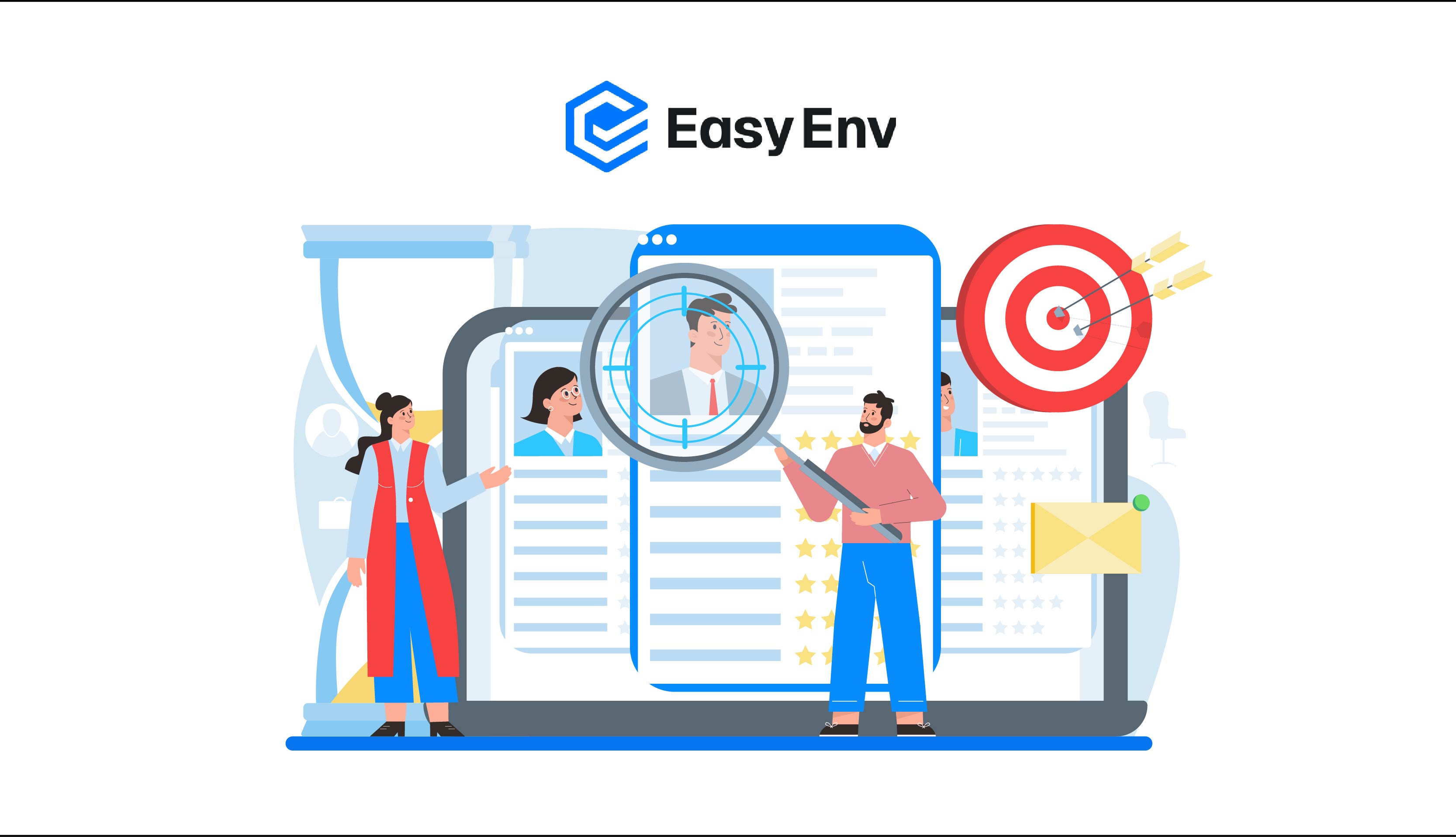
You can hire someone who already has it, or train the people you already trust. Most teams pick wrong because they only count the salary.
A new hire costs salary plus three to six months to full speed. They also reshape the team.
Training an existing engineer costs their time, a real lab, and a senior to check the work. Usually four to eight weeks.
If the gap is one skill on a strong team, train. If the gap is a whole role, hire.
People watch videos. Nothing sticks. Reading a book about Kubernetes does not teach Kubernetes.
The fix is hands-on work in a real environment. Break a cluster. Fix it. Repeat with a harder break.
EasyEnv runs this kind of training as ephemeral labs. Each engineer gets a fresh, broken system. They solve it, the workspace disappears, and you see what they did.
If your team can list the three things the engineer needs to learn, train.
If you cannot even list them, hire someone who can teach the rest of you.
What is the one skill your team is one engineer away from owning?
Pre-configured Linux boxes, VS Code in the browser, and shared workspaces your team can join in one click. No more "works on my machine".
More posts you might like
Contractors bill from day one but often cannot commit until week two, thanks to laptop setup and access sprawl. Ephemeral environments collapse that gap to an afternoon.
"Productive on day one" sounds great. Pick one metric you can actually measure, then design the workspace to hit it.
Read more
In software development, waiting for a shared staging environment can slow teams down. Ephemeral environments solve this by giving each pull request its own temporary space, and EasyEnv makes this process simpler and automated.
Read more
