

October 13, 2026·6 min read

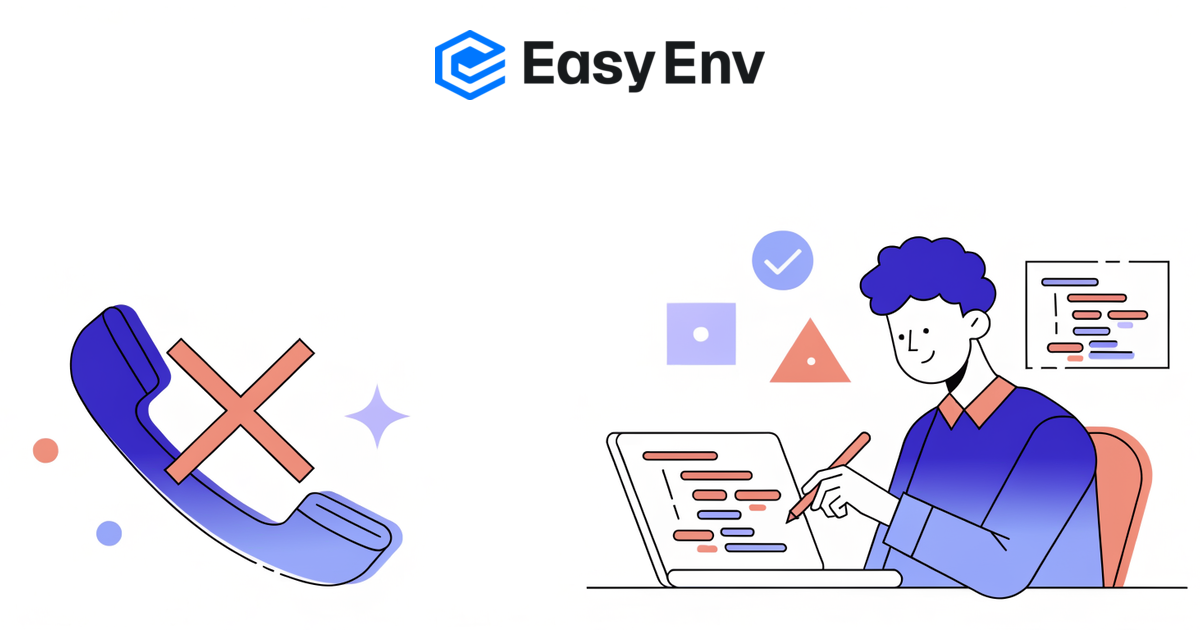
The reference check is one of the most persistent rituals in hiring and one of the least useful. It feels responsible. It rarely changes a decision. And it is structurally rigged to tell you nothing.
The candidate hands you a list of people they chose specifically because those people will say nice things. You are surprised, every time, that those people say nice things.
Think about the incentives:
You end up with a warm anecdote and a false sense of diligence. The rare genuinely negative reference is so unusual that when it happens, it is more likely to reflect a personal grudge than a fair signal.
If you want to know whether someone can do the job, the most reliable source is not a hand-picked former colleague. It is the candidate doing the job in front of you.
A well-designed practical assessment gives you first-hand evidence:
A reference tells you a story about the work. An assessment shows you the work.
The goal is not a longer, harder gauntlet. It is a focused task that resembles the real job:
Watch how they orient, reason, and handle uncertainty. That is the signal a reference check is trying and failing to approximate.
References are not worthless, they are just misused as a decision gate. Their honest use is narrow: confirming basic facts, or gently probing a specific concern you already noticed and want a second data point on. Used that way, late and targeted, they are a sanity check. Used as evidence of ability, they are theater.
EasyEnv is built around first-hand evidence. Candidates work in a real environment on a real task, and the session is recorded. Instead of asking a stranger to vouch for how someone works, you watch how they work, and you keep the record.
Stop outsourcing your confidence to a list the candidate wrote. The reference check is a ritual that filters almost nobody.
Test the work. It is the only reference that cannot be curated.
Run live coding sessions and take-home challenges in real production environments. Watch sessions back, score consistently, and hire with confidence.
More posts you might like
Give an analyst clean tables and a clear question and nearly everyone looks capable. Here are four tasks on a deliberately messy database, duplicated rows, nulls that mean two different things, a timezone that moves a month boundary, and a number that disagrees with finance.

PHP hiring still runs on framework questions while the failures are operational and silent. Here are four tasks on a running Laravel application, a queue nobody noticed had stopped, a listing page that issues hundreds of queries, a migration that ran on one server, and uploads that vanish behind a load balancer.
Read more
.NET gives you so much for free that the mistakes hide inside the framework rather than in the code under review. Here are four tasks on a running service, a deadlock under load, a captured dependency, a query that drags the whole table into memory, and a background worker that died quietly.
Read more
