

October 22, 2026·4 min read

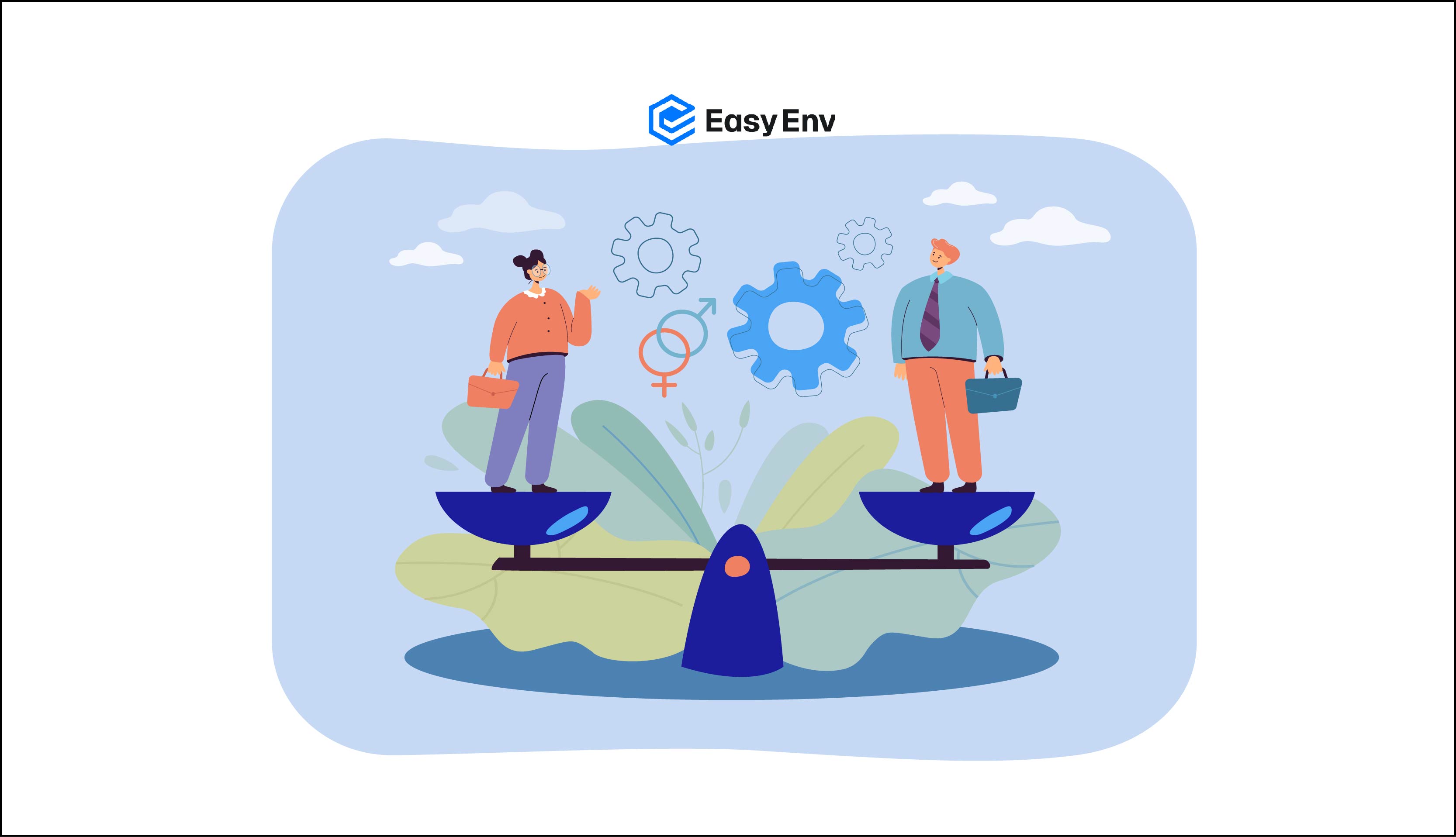
Every hiring manager wants a Senior DevOps Engineer. It makes sense. You have hard problems, and you want someone who has solved them before.
But there is a limit to this strategy. If you only hire seniors, you run into a different set of problems.
You end up with a Top Heavy team. You have highly paid experts spending their time on routine updates, documentation, and minor bug fixes. This is not efficient, and it leads to boredom and burnout for your best people.
To build a truly effective team, you need balance. You need Junior Engineers.
Hiring juniors is not about replacing seniors. It is about unlocking their potential. Here is why a mixed team wins.
When you hire a Junior Engineer, you are actually investing in your Seniors.
Without juniors, your seniors have to do everything. They handle the complex architecture, but they also handle the low level maintenance. This splits their focus.
When you bring in juniors, they can take ownership of the routine tasks. This frees up your seniors to focus on high value work like system design, scaling, and security strategy. The whole team moves faster because everyone is working at the top of their skill level.
There is an old saying. You do not truly understand something until you can teach it.
Having juniors on the team forces your seniors to explain their decisions. They have to document their processes clearly. They have to answer why they are doing something.
This mentorship dynamic improves the culture. It turns individual contributors into leaders. It ensures that knowledge is shared, rather than locked in one person's head.
Relying 100 percent on external hiring is risky. The market for Senior Engineers is volatile.
By hiring and training juniors, you are building your own pipeline of talent. A Junior you hire today will learn your specific stack and culture perfectly. In two years, they will be a strong Mid Level engineer who knows your systems better than any new outside hire could.
The hesitation to hire juniors usually comes from fear. Managers worry that a junior might break production.
This is a valid concern, but it is solvable. The answer is Guardrails.
You need to give juniors a safe place to learn. They need environments where they can practice deployments and run commands without risking the live application.
This is where EasyEnv helps. We let you spin up isolated, realistic environments for your new hires. They can practice, break things, and learn your stack safely, while your production environment stays secure.
Pre-configured Linux boxes, VS Code in the browser, and shared workspaces your team can join in one click. No more "works on my machine".
More posts you might like
Slides and a shared staging cluster produce a team that still pages the one person who knows. People learn infrastructure by breaking it, which needs a cluster each. Here are five drills worth running and how to make them cheap enough to repeat.
Every engineer you hire proves they can work in a real environment. Nobody ever asks the people already there. Here is how to run an internal skills check that produces a training plan from evidence, finds your bus factor, and does not feel like an exam.
Read more
Contractors bill from day one but often cannot commit until week two, thanks to laptop setup and access sprawl. Ephemeral environments collapse that gap to an afternoon.
Read more
