

October 7, 2026·6 min read

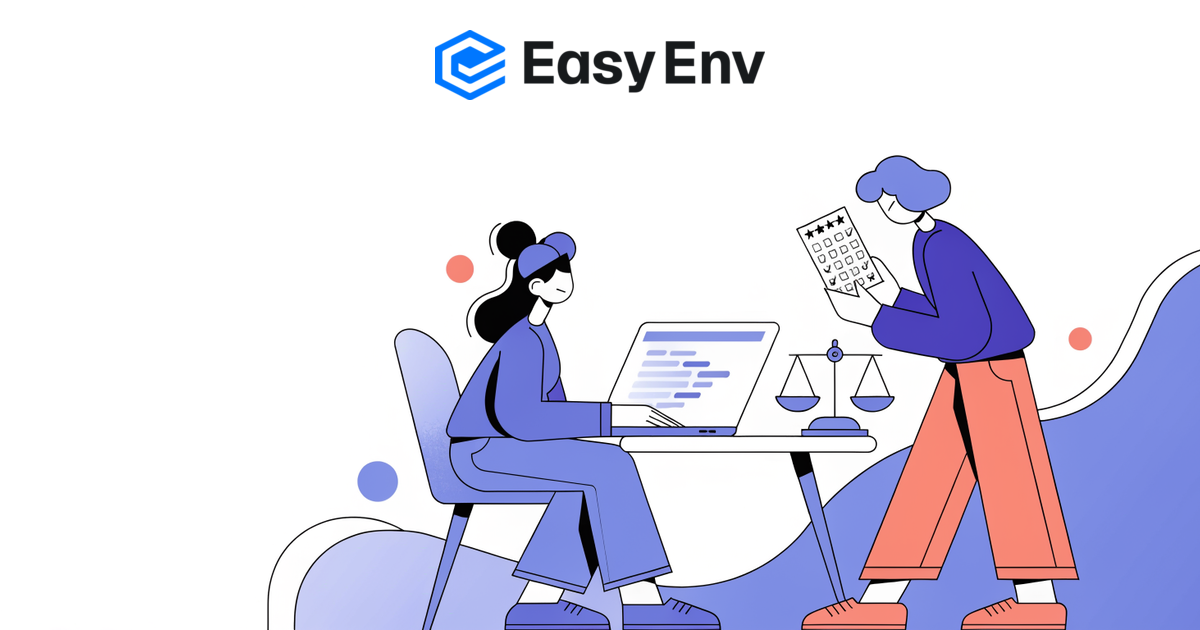
Ask five interviewers what a "strong hire" looks like and you will get five answers, each shaped by their own background, their mood that afternoon, and how much the candidate reminded them of themselves. That is not a hiring process. That is a coin flip with extra steps.
A rubric is how you replace that with something consistent. Done well, it makes interviews fairer, faster to calibrate, and defensible when someone asks why one candidate advanced and another did not.
A rubric is not paperwork for its own sake. It does three concrete things:
The point is to move the decision from gut to evidence.
The most common rubric mistake is grading traits instead of behaviors. "Smart," "senior," and "good culture fit" are not measurable. They are just bias with a nicer label.
Anchor every criterion to something you can actually observe in the session:
If two interviewers watching the same moment would score it differently, the criterion is too vague. Tighten it until they would not.
A rubric filled in three days later from memory is barely better than no rubric. The details fade, and the halo of one strong or weak moment colors everything.
Score during or immediately after the session, against what actually happened. This is far easier when the interview produced a record you can point to, so a score is tied to a real moment instead of a fading impression.
EasyEnv records the technical session, so a rubric has real evidence behind it. Interviewers score against what the candidate actually did, and because everyone can review the same session, you can calibrate the team: have several people score one recording and compare, until "clearly demonstrated" means the same thing to everyone.
A shared environment plus a shared rubric is how you get scores that are actually comparable across interviewers.
A rubric will not make hiring perfectly objective, and it should not try to. It makes hiring consistent, evidence-based, and honest about its bar.
Define the competencies, anchor them to observable behavior, set the decision rule up front, and score live. That is the difference between measuring candidates and just reacting to them.
Run live coding sessions and take-home challenges in real production environments. Watch sessions back, score consistently, and hire with confidence.
More posts you might like
Java interviews still run on trivia that a study guide covers in an evening, while the expensive problems live in transaction boundaries, pool exhaustion and upgrades nobody dares start. Here are four tasks on a running Spring service, and what each one separates.

Most teams describe their AI adoption as "we're figuring it out," which is not a stage anyone can plan against. Here is a five-stage maturity model for AI literacy across an engineering team, how to tell which one you are actually in, and what moves you up one.
Read more
Prompt engineering did not disappear when models got better, it changed shape. Here is what the skill actually looks like in 2026, why a resume line or a quiz cannot measure it, and the tasks and rubric that do.
Read more
