

October 22, 2026·4 min read

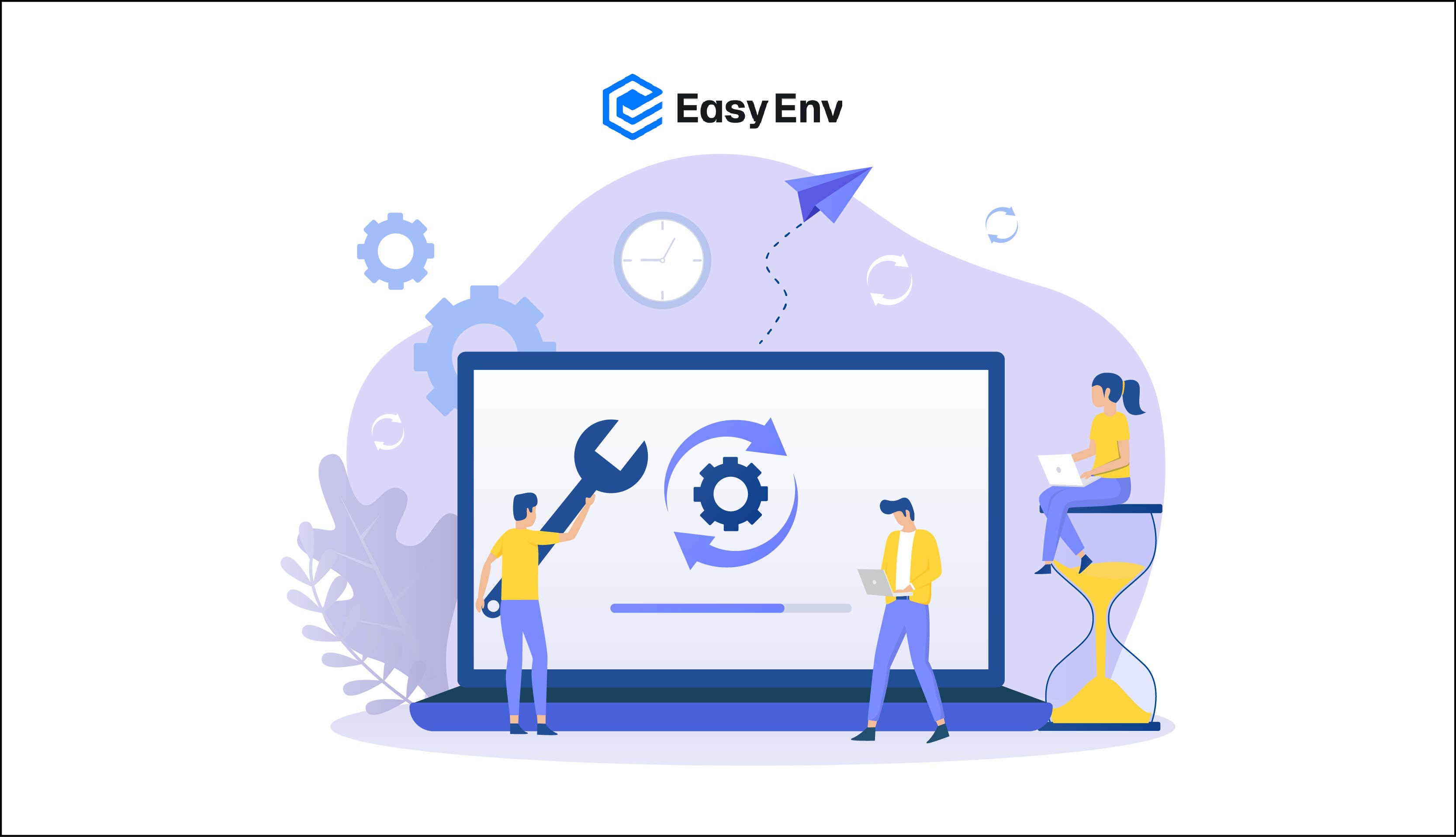
Every DevOps engineer knows the feeling. You are about to execute a major upgrade. Maybe a Kubernetes version bump or a database migration. You have read the documentation. You have planned the maintenance window. But you are still nervous.
Why? Because testing these changes is difficult.
Most teams rely on a shared staging environment. While this is better than nothing, it has serious flaws. If you break Staging, you block every other developer who needs to test their code. Worse, Staging environments often suffer from configuration drift, meaning they don't perfectly match Production.
There is a better way to handle high risk changes. It is called Ephemeral Testing.
Shared environments are noisy. Multiple services are running, data is often stale, and configurations might be tweaked manually over time.
When you test a dangerous upgrade in Staging, you are hoping that the environment behaves exactly like Production. If it doesn't, your test results are invalid. If the upgrade fails and leaves the cluster in a bad state, you now have to spend hours fixing Staging instead of focusing on the upgrade.
The gold standard for testing infrastructure changes is isolation. You need an environment that exists solely for this upgrade and can be discarded immediately after.
Here is how this workflow improves stability:
When you spin up a dedicated environment for your upgrade test, you are working in a silo. You can completely destroy the cluster, and no one else will notice. This allows you to test worst case scenarios that you would never dare try in Staging.
The most important part of an upgrade plan is the rollback. But how often do you actually test it?
In an ephemeral environment, you can simulate a failed upgrade and practice your rollback procedure. Knowing that your safety net works is the best way to reduce deployment anxiety.
By running the upgrade in a clean environment, you can document the exact commands and timing required. This creates a reliable runbook for the actual production maintenance window.
You shouldn't have to guess if an upgrade will work. You should know.
Moving away from shared staging and toward on demand, isolated environments allows your team to move faster and sleep better. It turns a stressful event into a routine task.
At EasyEnv, we provide the platform to spin up these complex, isolated environments in seconds. Whether you are testing a new feature or planning a major migration, you can do it safely in your own sandbox.
Pre-configured Linux boxes, VS Code in the browser, and shared workspaces your team can join in one click. No more "works on my machine".
More posts you might like
Slides and a shared staging cluster produce a team that still pages the one person who knows. People learn infrastructure by breaking it, which needs a cluster each. Here are five drills worth running and how to make them cheap enough to repeat.
Every engineer you hire proves they can work in a real environment. Nobody ever asks the people already there. Here is how to run an internal skills check that produces a training plan from evidence, finds your bus factor, and does not feel like an exam.
Read more
Contractors bill from day one but often cannot commit until week two, thanks to laptop setup and access sprawl. Ephemeral environments collapse that gap to an afternoon.
Read more
