
The Interview Debrief That Actually Reaches a Decision
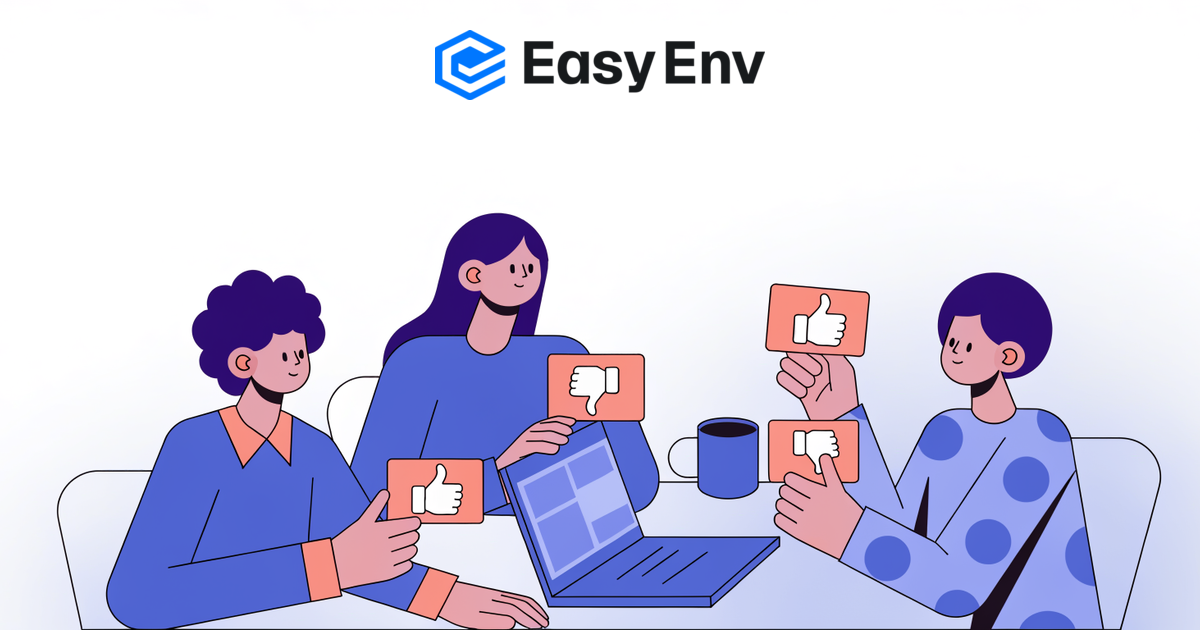
The debrief is where good interview data goes to die. Loudest voice wins, memory fades, and the decision drifts. Here is how to run a debrief that turns signal into a real call.
Read moreInsights, tutorials, and updates from the EasyEnv team.
The debrief is where good interview data goes to die. Loudest voice wins, memory fades, and the decision drifts. Here is how to run a debrief that turns signal into a real call.
Read moreHands-on interviews put you in a real environment with a real problem. They reward exactly what a whiteboard hides. Here is how to prepare and what interviewers are actually scoring.
Read moreMost coding test questions measure puzzle recall, not job performance. Here is how to write coding test questions and assignments that actually predict who can do the work.
Read moreAutomated code scoring is getting better. It is also missing the things that matter most. Here is what AI graders get right and where you still need a human.
Read moreWithout a rubric, "strong hire" means whatever the interviewer felt that day. Here is how to build a scoring rubric that makes technical interviews consistent, fair, and defensible.
Read morePair-programming interviews fail when they turn into a silent performance with an audience. Here is how to run one that feels like real collaboration and tells you something useful.
Read moreCoding challenge sites and interview prep platforms measure something real, just not the thing you are hiring for. Here is what they catch, what they miss, and when to use them.
Read moreCan ChatGPT report you for cheating in a coding interview? No. Here is what cheat detectors really do, why most of them fail, and the honest way to run an online code assessment in the AI era.
Read moreMost AI-open interviews accidentally test how fast someone can prompt. Four design patterns that surface judgment instead of output.
Read more